
Litho or Digital: Which Is Right for Your Card Run?
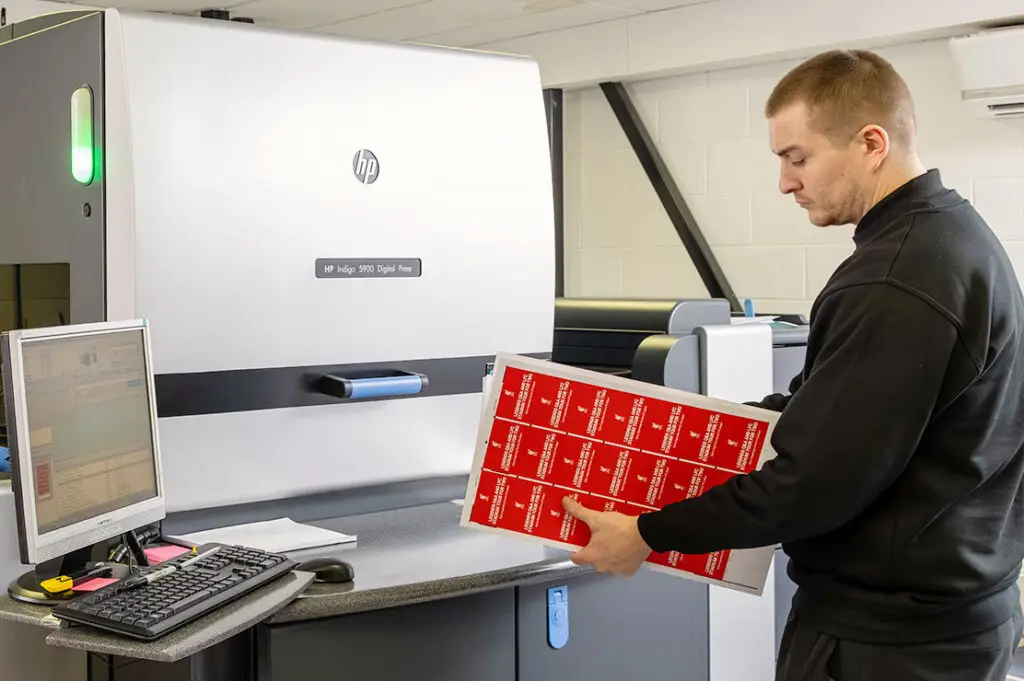
If you already know roughly how many cards you need, choosing between litho and digital printing becomes much easier. Both processes can produce high-quality paperboard cards. The main difference is that they are designed to be efficient at different volumes.
For very large runs, litho is usually the stronger choice. For shorter runs, digital printing can make much more commercial sense. So if you are comparing digital printing vs litho, the question is not which process is better overall; it is which one is better for your particular run.
The short answer: it usually comes down to quantity
The simplest way to think about litho vs digital is this: Litho printing is built for scale; digital is built for flexibility at lower quantities.
A large national retail programme may require hundreds of thousands of cards. At that volume, litho is extremely efficient because the press setup cost is spread across a very large order.
A smaller chain or independent business may only need a few thousand cards. In that case, digital printing can avoid some of the fixed setup costs associated with litho and make the job much more cost-effective.
At Certus, we produce high-volume programmes for large national customers, while digital printing also lets us support independents, single-site operators and smaller chains who usually require shorter quantities.
When litho is the right choice
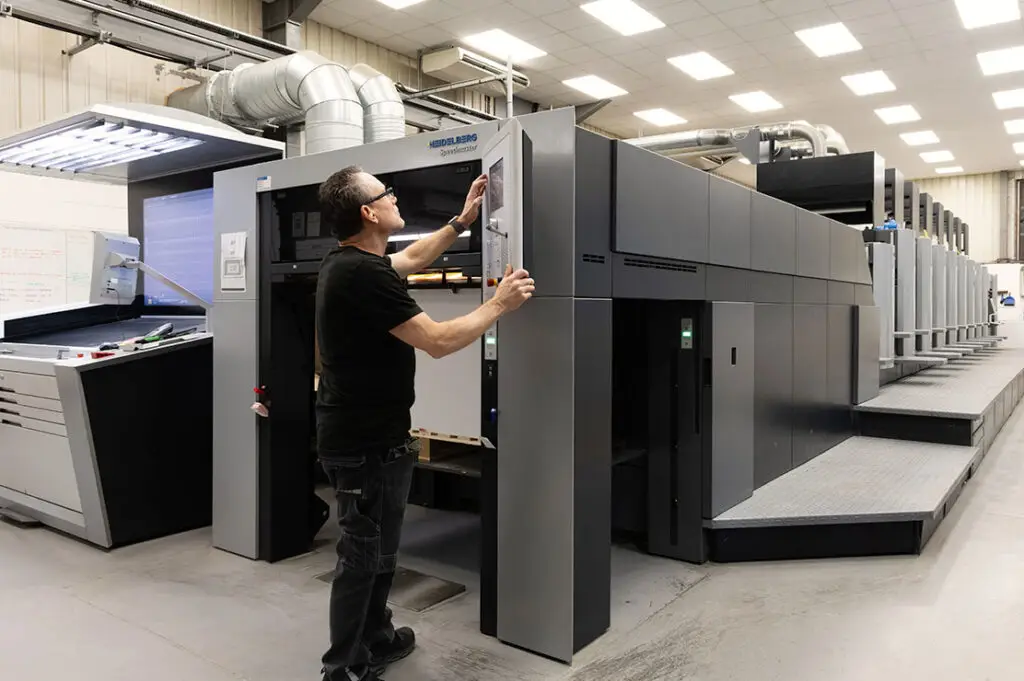
Litho printing is the right choice when volume is high enough to justify the setup. The litho setup uses printing plates, which must be produced and fitted before the full run begins. The press also needs to be prepared, adjusted and checked before production starts. This process is known as make-ready.
Litho setup work creates a fixed cost at the beginning of the job. On a run of 500,000 cards, however, that setup cost is spread across a very large number of units. As a result, the cost per card falls significantly.
For a national retail programme needing hundreds of thousands of cards, this is where litho wins. At very large quantities, litho is often the most economical and practical production method available. It also delivers excellent consistency across long runs, which matters when thousands of locations or customers need to receive the same product.
If your project involves a very large quantity, litho may therefore be both the cheaper and better-suited option.
When digital is the right choice
Digital printing works differently. Instead of creating a set of physical printing plates, the press receives the artwork digitally and prints the design directly through a controlled production process.
That removes much of the fixed setup associated with litho. And for short-run card printing, this can make a major difference.
If you need 5,000 cards, for example, paying for the setup of a large litho press may make the unit price unnecessarily high. Digital printing lets you produce smaller quantities without the same plate and make-ready cost.
This makes digital particularly well suited to:
- Independent businesses
- Small retail chains
- Local promotions
- Test campaigns
- New product launches
- Short-term offers
- Smaller quantities of branded cards
Digital printing is simply a different production method, better suited to different projects. Where litho becomes more efficient as volumes rise, digital can be far more practical for shorter runs.
Where the crossover point sits
This is usually the most useful question for anyone comparing litho (or offset) vs digital printing: At what quantity does litho become cheaper?
Below the crossover point, digital printing often offers the stronger commercial case because the job doesn’t carry the same plate and make-ready costs. Above it, litho usually becomes increasingly efficient as the quantity rises.
The reason is simple. Imagine a litho job has a fixed setup cost before the first card is produced. If you spread that cost across 5,000 cards, it adds a noticeable amount to each card. Spread the same setup cost across 500,000 cards, and its impact on the unit price becomes very small.
Digital printing vs litho at a glance
| Factor | Litho printing | Digital printing |
|---|---|---|
| Quantity | Large and very large runs | Shorter runs |
| Setup | Requires printing plates and press make-ready | No traditional plate setup |
| Cost per card | Becomes highly economical at large volumes | Often more economical at lower volumes |
| Waste | Some material is used during setup and make-ready | Generally less setup waste on shorter runs |
Is there a visible quality difference?
This is one of the most common questions about digital printing. Historically, digital print developed a reputation for being noticeably lower quality than litho. That perception still influences how some buyers think about the two processes today.
Modern commercial digital presses, however, differ greatly from older systems. For many card applications, digital printing can now produce results that are difficult to distinguish from litho.
That does not mean the two processes are identical. Certain specifications, finishes or extremely demanding colour requirements may still make one process more suitable than the other. The important point is that digital should not automatically be treated as a lower-quality option.
How turnaround compares
Turnaround can also influence the decision. Litho requires plates and make-ready before full production begins, so there is more preparation before the press reaches full running speed.
Digital removes much of that setup stage. For shorter jobs, this can make digital quicker to prepare and easier to schedule.
For a very large run, however, litho’s production speed and efficiency can outweigh the additional setup time.
Again, the answer depends on scale. If you need a relatively small quantity quickly, digital may be the more practical option. If you need hundreds of thousands of cards, litho may still be the better route, even if it requires more upfront preparation.
What about waste and sustainability?
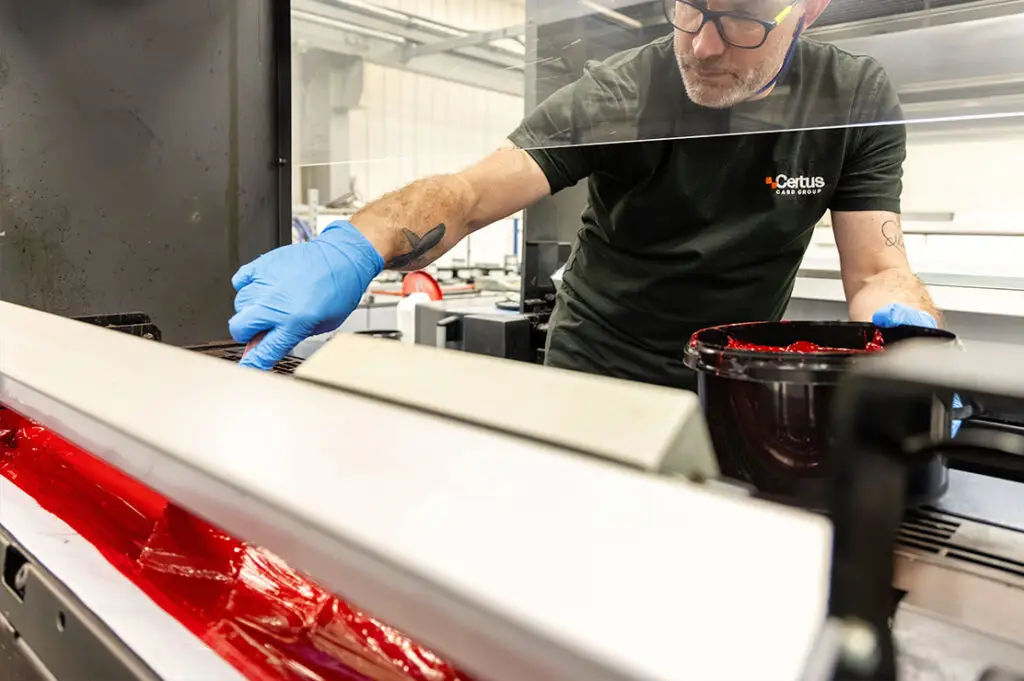
Waste is another area where the two processes differ. Litho printing uses materials during setup. The press needs to reach the correct colour, alignment and print quality before the full production run begins, and some paperboard may be used during that process.
On a large run, that setup waste becomes a very small proportion of the total job. On a shorter run, however, it represents a larger share.
Digital production generally requires less material during setup because there are no conventional plates to prepare and less make-ready is required. That can make it particularly efficient for smaller quantities.
It is important not to treat this as a simple case of one process being sustainable and the other not. A large digital run may not make commercial or operational sense simply to avoid litho setup, just as using litho for a very small job can create unnecessary setup and waste.
A simple way to decide
If you are choosing between litho and digital printing, you can narrow the answer down quickly.
Ask yourself:
- How many cards do I need?
- Do I expect to reorder the same design in very large quantities?
- Is speed particularly important?
- Are there any specialist finishes or colour requirements?
- Am I producing a national programme or a smaller local or regional run?
If your quantity is very high, litho will usually be the natural choice. If your quantity is lower and doesn’t justify litho’s fixed setup, digital is likely to make more commercial sense. That simple distinction will answer the question for many jobs.
Still not sure?
You do not need to choose the print process before asking for a quote. In many cases, the most useful information you can provide is simply the quantity you need, along with the size, material, artwork and any finishing requirements. From there, we can recommend the production method that best suits the job.
At Certus, we use both litho and digital printing to suit different customer needs. This gives us more ways to produce the right card at the right quantity and cost. Contact our team, and we can recommend the production method that best suits your run.