
Why a Card Is Rarely Just a Card
Choosing the right carrier for the job the card has to do
On its own, a gift card is a small piece of plastic or paperboard. What makes it something a shopper picks up, a customer opens at home or a friend unwraps on their birthday is usually the carrier around it. We’ve already looked at why that matters in The Power of the Pack. This piece tackles the practical question that tends to come next: which carrier should you actually choose?
The honest answer depends less on the card and more on what happens to it next.
Start with the card's journey
Before you think about finishes or formats, picture where the card is going. Most cards take one of a few routes:
- Hung on an in-store end cap, often alongside dozens of other brands.
- Posted to a customer’s front door.
- Handed over as a gift.
- On open display, where they need protecting before they’re sold.
Each journey asks something different of the carrier. A peg display needs a hanging point and a scannable barcode. A mailed card needs to arrive intact and look right when it’s opened. A gift needs to feel like a gift. Getting clear on the journey first usually narrows a long list of options down to two or three.
Gift card carriers for retail display
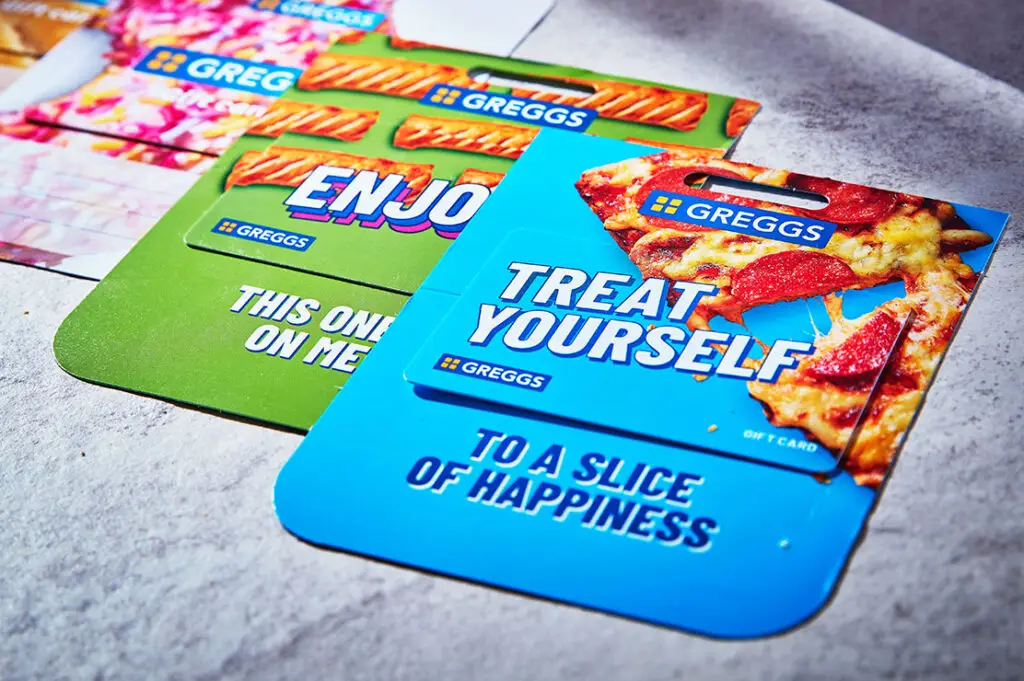
If your cards will sell on your store shelves, retail card carriers are the natural starting point. These paperboard carriers hold the card securely and let your artwork run across both card and carrier.
Several practical details matter:
- Euro slots let carriers hang on standard peg displays.
- Fold-over headers add branding space above the card, which helps on a crowded fixture.
- Barcode apertures and access folds let staff scan the card at the till without opening the pack.
Most of these features come from die cutting, which shapes the carrier and adds Euro holes, barcode access panels, perforations and tear lines. If the card is being hung, it’s important to choose the right paper weight for the job: a single paper card will require less support than a multi-card pack or plastic card.
If your cards are sold through third-party retail channels such as Epay, BHN or Incomm, the carrier also has to meet certain channel requirements, so cards can move through those supply chains smoothly. For this reason, customers often choose to display the same card on different carriers for third-party retail and in-store.
Carriers for gifting
When a card is bought as a present, the carrier becomes part of the gift. The same card can feel like an afterthought in a plain sleeve and feel chosen in a considered wallet.
Gift card wallets are the simplest way to lift the experience. Presentation wallets come in three main formats:
- A simple wallet and sleeve, which holds the card cleanly.
- A bi-fold, which opens like a greetings card.
- A tri-fold, which gives extra room for messaging or promotions.
They work well for corporate gifting, customer rewards and direct to customer gifting.
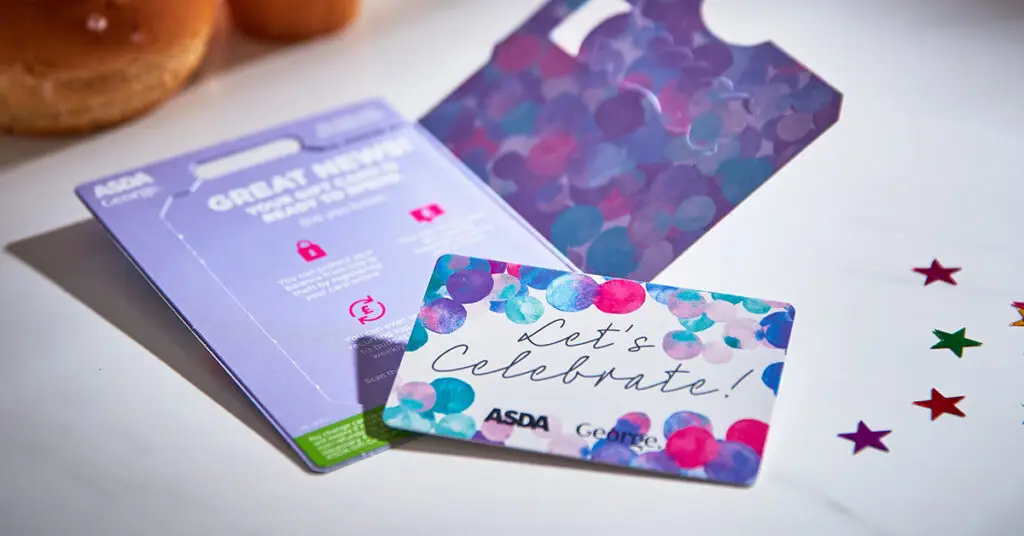
If the card needs to sell from a peg and then become a gift, the giftable wallet with a tear-off header does both. The header lets the card hang on display, and once it’s bought, the header tears away to leave a clean wallet ready to give. For many retailers, these gift card carriers remove the trade-off between shelf presence and presentation.
Greetings card carriers go a step further. They combine a greetings card with an attached gift card or a printed code. They can be produced as standard designs for retail, or printed on demand with the buyer’s own message. That makes them a strong fit for gifting that goes straight to the recipient.
Card mailers for direct delivery
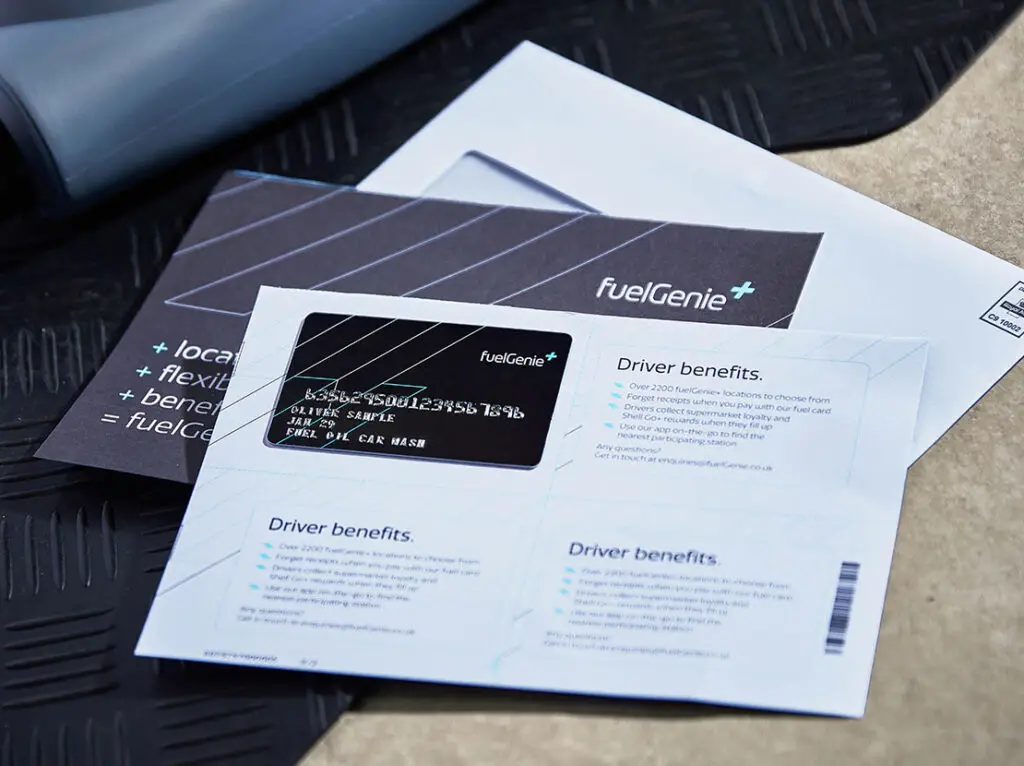
Loyalty, membership, prepaid and fuel cards often skip the shop altogether and go straight to the cardholder. Here the carrier has to present the card clearly, hold it securely in the post and often explain what the recipient needs to do next.
Card mailers cover a range of approaches:
- A standard letter with the card attached works well for prepaid cards that need activating, with room for instructions alongside.
- Multipacks suit bulk delivery, where several cards travel together.
- Tri-fold and multi-panel mailers give you space for vouchers, offers and programme information. This is useful when the mailing has a marketing job to do as well as a practical one.
The one-piece mailer combines the carrier and envelope in one sealed pack. It folds closed around the card, so there’s no separate envelope to produce, match or insert. Fulfilment stays simpler, and you get a branded print area across the whole mailer.
Carriers that protect the card
Security is less a route of its own and more something every retail carrier has to consider. Cards on open display can be targeted by fraudsters who record card details before purchase. The right level of protection depends on how and where your cards are sold.
For the highest level, PaperBurstTech® seals the card inside a paperboard carrier. The adhesive bonds with the paper itself, so any attempt to open the pack early tears the fibres. That leaves clear damage staff can spot before the card is sold.
Not every programme needs full tamper-evident packaging, and lighter secure carrier options are available:
- Peel & Reveal keeps card details under a sealed panel that’s opened after purchase, which is a practical way to reduce opportunistic tampering.
- Security labels can cover card numbers or PIN areas on standard carriers.
- Scratch panels protect PIN codes.
These options can be combined, so security scales with your risk rather than being all or nothing.
Pulling it together
Most programmes end up using more than one carrier. A retailer might hang cards on pegs in store, add giftable wallets at Christmas and post cards to online customers, all within the same programme. Choosing well means matching each format to the job the card has to do in each channel.
At Certus Card Group, we produce both cards and carriers for a variety of distribution channels and, with over 46 years of experience, can recommend the right carrier for the job or design a bespoke one.
Planning a new programme, or reviewing one that has grown over time? Book a consultation and our team will help you choose the right carrier for every route your cards take.